Getting Student Performance Back on Track with NEE After COVID-19
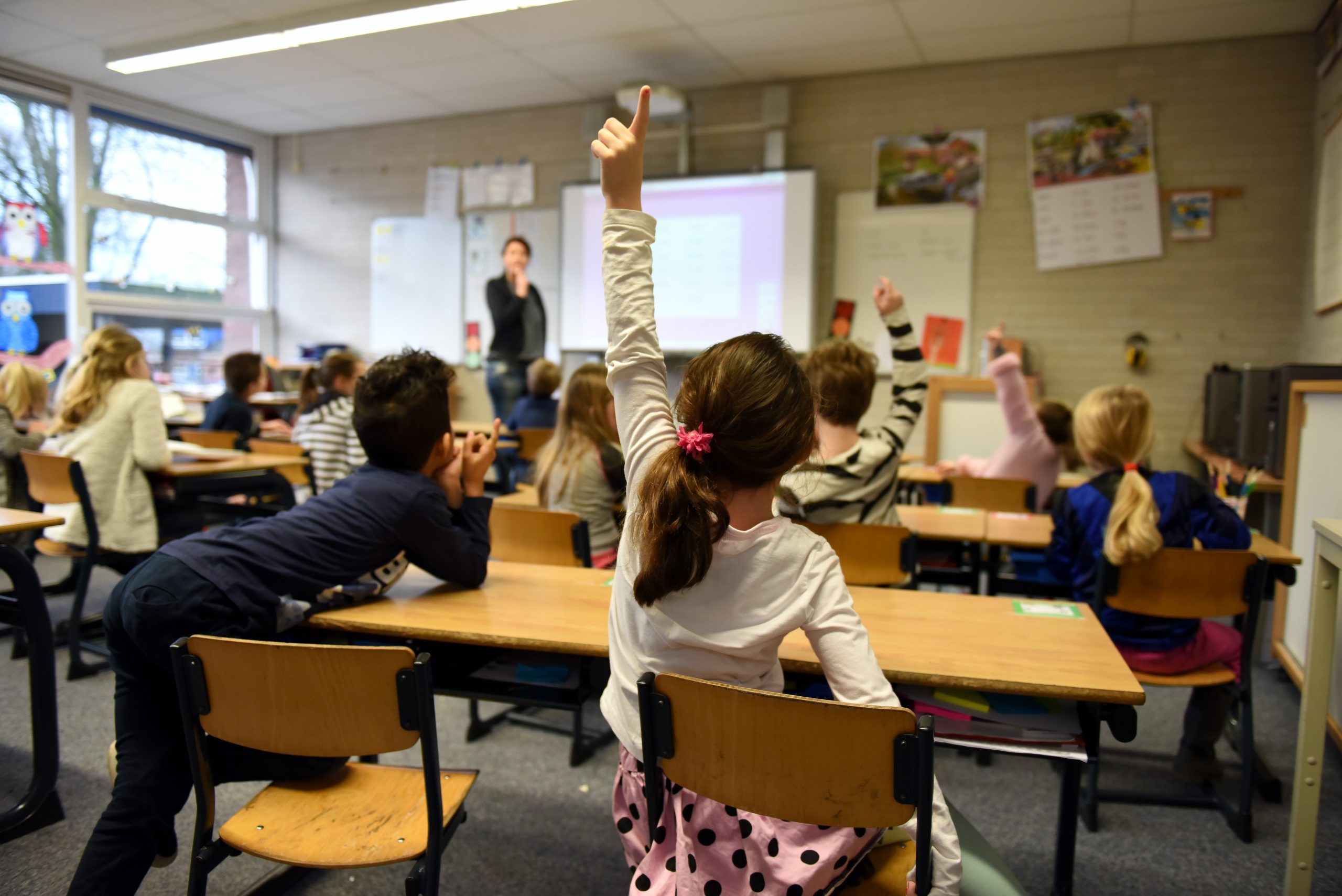
In March 2020, the world as we knew it changed dramatically. With the arrival of COVID-19, our everyday lives were undeniably different. This was especially true in the educational environment, where in the blink of an eye schools everywhere went from seated instruction to distanced learning. Much of the normal work that was being done in classrooms was derailed. Students and teachers were now communicating through laptop screens, and lessons were unlike anything most had previously encountered. The effectiveness of education was challenged.
Fast forward a few months to the 2020-21 school year. A variety of teaching paradigms were established in districts to meet the expectations of their communities. Some schools returned to seated instruction, others continued to use virtual platforms, and many moved to hybrid models. Through it all, one thing became apparent: Principals were not getting into classrooms as much as they did pre-COVID, therefore limiting the number of classroom observations being completed.
Statistics clearly show this to be true. The number of recorded classroom visits in NEE schools dropped almost 24% in 2020-21 as compared to 2018-19. The trend continued in 2021-22 as the number of classroom observations declined over 25% in comparison with 2018-19. With fewer classroom visits, teachers may have been left to wonder about the effectiveness of their lessons. How did this, in turn, impact student performance on a daily basis and on year-end assessments?
There has been no shortage of news and data that tell us student test scores are down across the board. In fact, one recent report found that the pandemic erased two decades of progress in math and reading. There are certainly many factors that impacted student performance during the pandemic and afterward, but now schools are interested in how they can start moving the needle in a positive direction again.
NEE suggests one way is for principals to return to their more normal routine of being in classrooms frequently and offering effective feedback to teachers. After all, we know the single greatest impact on school-based student achievement stems from effective teaching, and principals can have the greatest impact on teaching by being active evaluators and offering effective feedback to teachers.
For years, educational experts like Kim Marshall have recognized that educators appreciate meaningful feedback on performance within their classrooms. Most teachers want to improve their craft and need specific and constructive dialogue to do their best job with students.
Based on these assumptions, many schools have adopted an evaluation model that incorporates:
- Short, frequent, unannounced classroom visits replacing traditional formal evaluations
- A humble but curious approach to visits — checking in with students, looking for student outcomes, and collecting a few quick notes
- A face-to-face conversation with the teacher shortly after each visit
- The observer sharing appropriate appreciation and one “leverage point”
- A brief narrative summary sent electronically to the teacher
Sound familiar? These tenets of evaluation align with the NEE teacher evaluation model, which encourages school leaders to:
- Observe each teacher 6-10 times per year for 10 minutes apiece
- Provide face-to-face feedback after each classroom observation
- Collaborate with teachers to select 3-5 focus indicators and to become familiar with the rubrics and look-fors teachers will be evaluated on
- Emphasize that the evaluation process is about improving teaching and learning and not a “gotcha” system
The importance of improving teaching and learning cannot be overstated. A recent Blue Ribbon Commission Report (conducted by The Hunt Institute and presented to the Missouri State Board of Education) emphasized that as the state attempts to provide high-quality instructors for all students, it is important that an evaluation system acknowledge the impact of effective instructors and support improvement of those who need additional development.
A central focus of NEE has always been the growth of teachers and their students. When teacher performance improves within the classroom, student achievement is positively impacted. For a quick review of practices to promote success through NEE, check out the EdHub module Best Practices for NEE Implementation, available to NEE schools under the Educational Leadership topic in EdHub. There you will find:
- How NEE works and why schools use it
- Practices and essential attributes which ensure success with NEE
- Strategies to create and sustain momentum through NEE
- Thoughts on finding time for NEE
After what has been an unsettling period, getting back on track with classroom observations – to recognize the good that is being done in our classrooms while supporting those teachers who need additional development – should be a priority in schools everywhere.
Benjy Fenske is a NEE trainer and field representative. He joined NEE in 2022 following a 34-year career in public education as a superintendent, principal, business teacher, and FBLA sponsor.
The Network for Educator Effectiveness (NEE) is a simple yet powerful comprehensive system for educator evaluation that helps educators grow, students learn, and schools improve. Developed by preK-12 practitioners and experts at the University of Missouri, NEE brings together classroom observation, student feedback, teacher curriculum planning, and professional development as measures of effectiveness in a secure online portal designed to promote educator growth and development.