NEE Teacher Satisfaction Survey: Celebrating Teacher Voices in Shaping an Inclusive Evaluation Environment
A heartfelt thank you to teachers: First and foremost, we extend our deepest gratitude to each teacher who participated in the Network for Educator Effectiveness’ teacher satisfaction surveys at the end of the 2022-2023 school year. Your insights and feedback are invaluable in fostering an inclusive and effective evaluation environment. Your voices are the cornerstone of our mission at NEE: Educators grow, students learn, schools improve. NEE is committed to supporting and honoring your daily work. Your perspectives and experiences help us refine our tools and processes, ensuring they serve your needs and those of your students. NEE has used the results of the teacher satisfaction survey to refine our efforts and establish our own growth plans moving forward.
Unveiling the Survey Insights
At the end of the 2022-2023 school year, NEE administered a teacher satisfaction survey among teachers whose schools utilize the NEE evaluation tool. The survey was distributed via email to a small random portion of teachers in each NEE district (1,728 teachers in total), and 323 teachers responded and completed the survey. NEE used stratified random sampling to ensure participating teachers were representative of teachers across the network.
Figures 1 and 2 visualize the distribution of teachers’ responses – from 1 (strongly disagree) to 5 (strongly agree), with 0 representing a response of “N/A.” In analyzing the survey responses, we identified five key factors that shape our understanding of teachers’ perceptions of the teacher evaluation processes.
These factors, derived from statistical analysis, provide a comprehensive view of the NEE teacher evaluation process:
- Principal-Teacher Engagement (PTE): This factor captures teachers’ insights into the dynamics between principals and teachers within the NEE system.
- Legitimacy and Fairness (LF): This factor explores teachers’ perceptions of the fairness and credibility of NEE evaluation processes.
- Professional Development Support (PDS): Here, we look at teachers’ views on how NEE contributes to professional growth and development.
- NEE Data Tool (NDT): This factor delves into teachers’ perceptions of the utility and user-friendliness of the NEE Data Tool online evaluation system.
- EdHub: This focuses on teachers’ experiences with and opinions about NEE’s EdHub professional learning library.
Figure 1 Distribution of Teachers’ Average Perception of NEE in 5 Factors
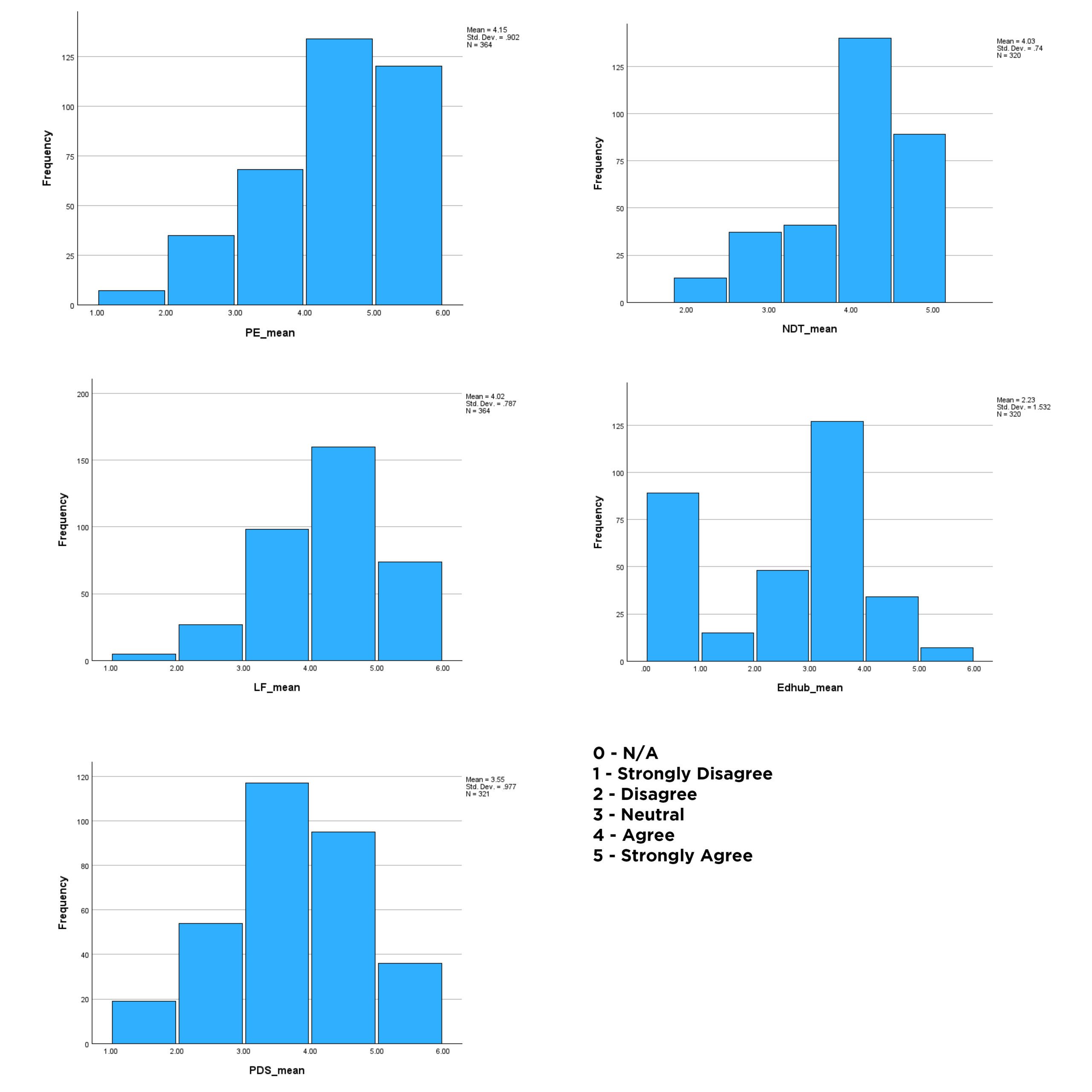
Figure 2 Distribution of Teachers’ Average Perception of NEE Student Survey
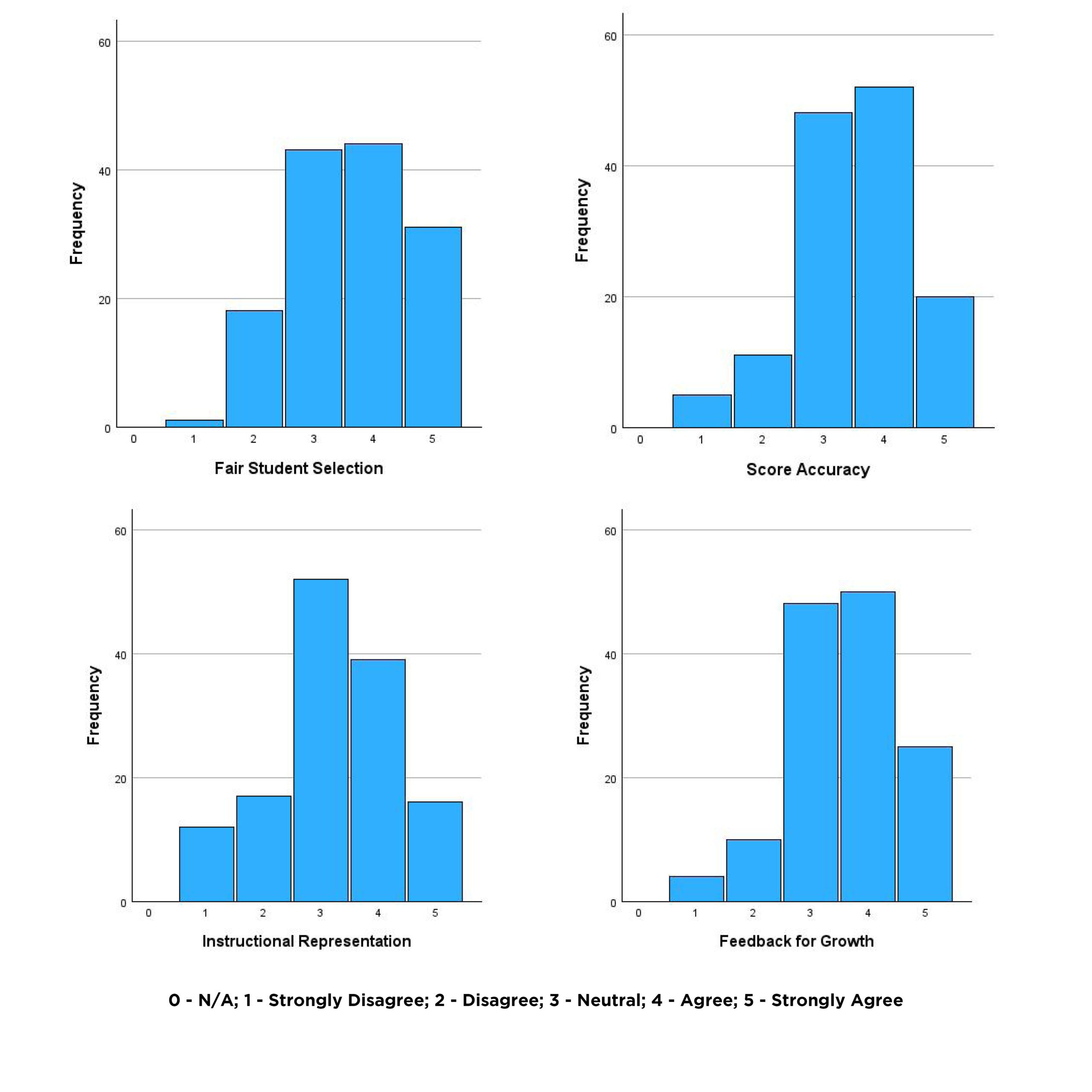
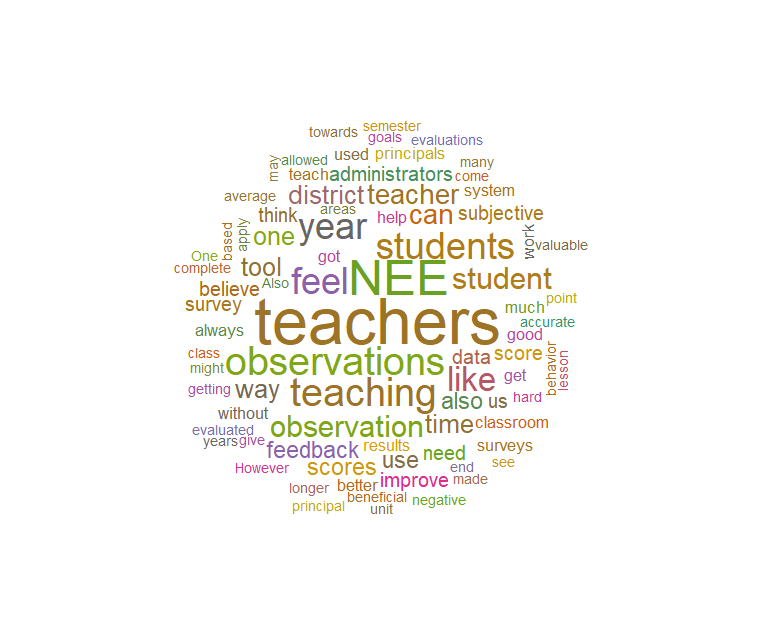
Additionally, it’s important to note that the perceptions of student surveys are based on individual survey items. Some teachers also provided text comments, and Figure 3 displays a word cloud for the comments after removing functional words.
Figure 3 A Word Cloud for the Teacher Comments
Positive Feedback: Your Support Fuels Our Commitment
- Legitimacy and Fairness: Most teachers agree NEE practices are legitimate and fair (Median > 4). We are thrilled to see this endorsement, especially knowing the general skepticism toward evaluation systems (Paufler & Sloat, 2020).
- Professional Development Support: Teachers’ general recognition of NEE’s role in supporting professional development encourages us to connect professional development within our work so we can better support teachers (Median = 3.7).
- NEE Data Tool: Most teachers agree the NEE Data Tool is user-friendly and easy to use (Median > 4).
- Principal-Teacher Engagement: Most teachers agree principals and teachers have a positive and engaging relationship during the NEE evaluation process (Median > 4).
- Student Surveys: Most teachers agree student surveys are fair and useful for identifying growth areas (Median > 4).
- Overall Sentiment: A sentiment analysis of the text comments reveals teachers have a generally positive sentiment toward NEE.
Figure 4 Theme Occurrence Frequencies of Teacher Comments by Attitude (Critical Response Group)
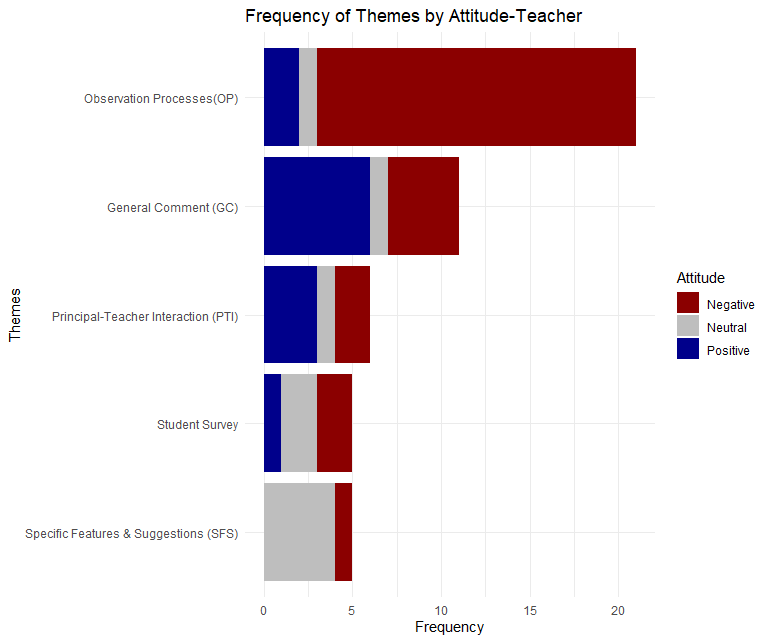
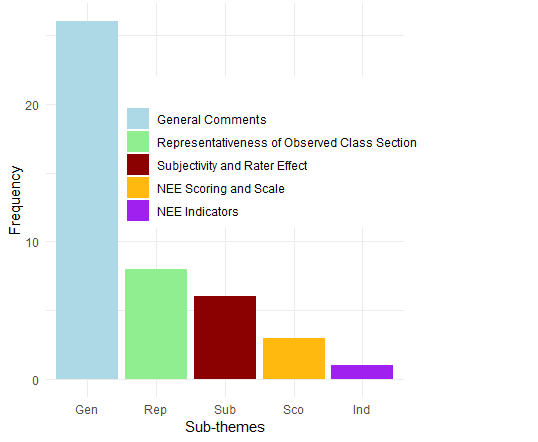
Figure 5 Frequencies of the Sub-themes of Observation Processes
We Value Your Concerns
- EdHub Familiarity: Survey results show about 30% of teachers are not familiar with the EdHub professional learning library, while only a few principals are not. This could be due to a range of factors, including the availability of alternative professional development options and varying levels of emphasis placed on EdHub by district and school leadership.
- Observation Process and Student Survey: Based on the selected critical comments (Figures 4 and 5), we noticed teachers’ concerns about the observation process, especially its representativeness and subjectivity. Some teachers also doubt the validity of using the NEE Student Survey to evaluate teachers. These tools are not without their challenges; however, they are currently the best available methods that align with state requirements. NEE is constantly in search of improvements and vigorously advocate for best practices. For example, we recommend principals visit each classroom 6-10 times per year for no less than 10 minutes each to achieve better representativeness. We also recommend the student survey not be used for lower elementary students, as the scientific evidence of its validity and reliability is not as solid as when use for older students (Grades 4-12).
What We Learned from You and What Actions We Can Take
Teacher feedback is not just valuable to us; it’s a catalyst for change and improvement at NEE. Based on teachers’ insights, we have identified key areas where we can take actions to better support teacher needs and enhance the evaluation process.
- Lack of time and resources: Some teachers expressed the pressure of limited time and resources when engaging with NEE or any evaluation system. This is a significant concern, and we are exploring ways to streamline the process to make it more efficient and less burdensome.
- Role of principals: The role of principals in the implementation of NEE is crucial, and we recognize that their individual approaches can significantly impact teachers’ perceptions of the evaluation process. We are committed to enhancing principal training and support to ensure a more consistent and positive experience for all teachers. Our goal is to foster trust and alignment between teachers and principals, creating a more supportive and empathetic evaluation environment.
- EdHub: Some teachers expressed that it is not easy to find the right content in EdHub. We are actively working to better integrate EdHub within the NEE Data Tool for a seamless PD experience so EdHub contents can be recommended based on classroom observation scores and feedback.
- Legitimacy and fairness: We learned from the data that the legitimacy and fairness of the evaluation process have a significant contribution to teachers’ growth. We will work toward better promoting how teacher evaluation looks in a growth model format, what the expectations should be, and how conversations should look. Therefore, we commit to continuously listening to teachers’ voices, ensuring that NEE fosters an inclusive and fair evaluation environment that resonates with teachers’ needs and concerns.
- Supporting teachers in non-tested subjects: We acknowledge the frustrations expressed by teachers in non-tested subjects regarding the appropriateness of selected indicators and measures. This is a challenge not just for NEE but nationwide. We are actively presenting this issue with collected evidence at national conferences and in research journals, aiming to attract attention and drive solutions to the issue.
We conclude with a renewed promise to listen, adapt, and grow alongside you. Your feedback is not just heard but acted upon. We encourage you to continue sharing your thoughts and suggestions with us. Together, we can make NEE a tool that genuinely supports educator growth and enhances student learning. As we move forward and implement new NEE components, know that it always comes from the advice, support, and requests of NEE member school districts.
Thank you for your dedication and commitment to education.
The Network for Educator Effectiveness (NEE) is a simple yet powerful comprehensive system for educator evaluation that helps educators grow, students learn, and schools improve. Developed by preK-12 practitioners and experts at the University of Missouri, NEE brings together classroom observation, student feedback, teacher curriculum planning, and professional development as measures of effectiveness in a secure online portal designed to promote educator growth and development.