Developing and Growing Nontraditional Teachers
In my former role as an administrator, one of the most challenging aspects of my job was the process of hiring teachers. It was always important to identify educators whom I could confidently entrust with my students, individuals who possessed not only a strong grasp of the subject matter but also the ability to effectively communicate and engage with children. This responsibility has grown even more critical in current times due to a significant decline in the pool of applicants for teaching positions.
In numerous classrooms today, long-term substitutes or teachers with alternative certifications have become prevalent. These educators frequently bring valuable strengths to their roles, but they may also encounter gaps in their knowledge and skills when it comes to effectively balancing content delivery and classroom management.
Many nontraditional teachers may discover that their preconceived notions of teaching differ significantly from the realities of the profession, often resulting in feelings of frustration and inadequacy. While some of these teachers may face challenges in adapting to their new roles, administrators also often grapple with the task of identifying appropriate support mechanisms for educators who have not followed the traditional path into the classroom.
In this blog post, we will delve into the strategies administrators can employ to provide support for these educators as they embark on their new role in the field of education.
Open Lines of Communication
Although it may seem basic, the first step is to initiate a channel of communication with nontraditional teachers. If you have multiple nontraditional teachers, it can be beneficial to group them together for these discussions. During these conversations, it’s crucial to foster open and honest communication. The aim is to help each of them appreciate the challenges of teaching and, from the outset, create an environment where they feel comfortable sharing their difficulties while remaining receptive to guidance.
It is important to convey to nontraditional teachers that comprehending the intricacies of instructional strategies and classroom management can initially appear daunting. Administrators should assure these teachers that both they and other instructional leaders within the school are committed to offering support. Encourage them to actively embrace this support network, including mentors, and to engage with peers who teach similar subjects or grade levels for guidance and collaboration.
In these conversations, avoid making assumptions about their prior knowledge of educational concepts or terminology. Be proactive in explaining fundamental educational concepts and strategies as needed and consistently check for their understanding. Encourage any other educators involved in these meetings to refrain from talking at the nontraditional teachers and instead to break down information and concepts and verify comprehension in all conversations.
Additionally, engage in discussions about age-related behaviors in children. Nontraditional teachers who have had limited exposure to children may find some behaviors unusual or even perplexing. While experienced educators may chuckle at certain student actions, nontraditional teachers might be genuinely bewildered and uncertain about how to react. Sharing your insights into the developmental stages of students at various ages will greatly enhance their comprehension of classroom dynamics.
Regularly scheduling these conversations and maintaining an informal atmosphere are essential for fostering ongoing communication. This approach ensures that you stay attuned to the individual needs of each nontraditional teacher and can provide tailored guidance as they continue to develop in their role.
Visit Classrooms
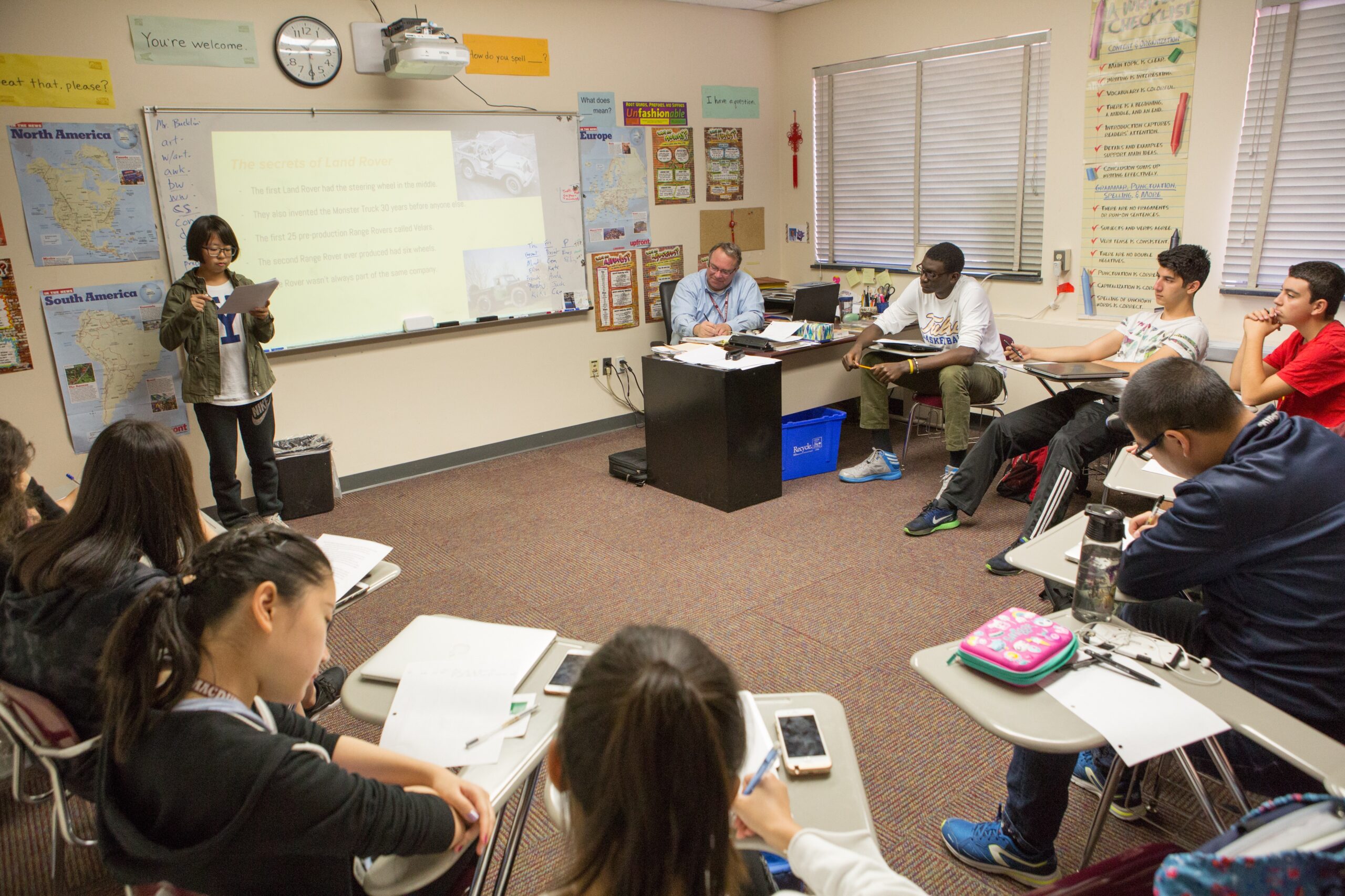
It’s always a good idea to make early visits to new teachers’ classrooms at the start of the school year to observe their teaching practices and provide feedback. This practice becomes even more crucial when it comes to new nontraditional teachers. A blend of NEE classroom observations and informal visits and walkthroughs aids administrators in gaining insights into the classroom environment and identifying the strengths and areas of improvement for each teacher.
Administrators have a responsibility of ensuring that classrooms provide safe and secure environments for both teachers and students to facilitate effective learning. Regular visits enable administrators to verify the safety and conducive learning atmosphere in each classroom. Moreover, they can promptly respond to and address any positive or negative observations made during their visits.
NEE Classroom Observations
NEE classroom observations provide a structured framework for evaluating classroom instruction, employing indicator rubrics to assess various aspects of teaching. It’s crucial to meet with the teacher within 24 hours of the observation to ensure that the lesson remains fresh in both your and the teacher’s mind. Before the feedback conference, administrators should review NEE’s Guide to Effective Feedback Conversations. Thoroughly review all available data and carefully select one specific area for concentrated discussion. This targeted approach enables administrators to address the most critical area requiring growth without overwhelming the teacher with multiple points of feedback.
Although this format aligns with the standard practice for administrators working with all teachers, it becomes even more crucial when dealing with educators who have not followed the traditional certification path and may have gaps in their knowledge. For nontraditional teachers, this targeted feedback holds particular significance, as it can be more meaningful and have a more pronounced impact on their classroom performance.
Consider Other Indicators
Districts that utilize NEE evaluation processes select focus indicators that align with their overall goals and priorities, which are then applied in classroom observations and feedback conferences to facilitate teacher growth and help the district make progress. However, nontraditional teachers might have more fundamental needs that must be addressed before they can effectively work on these focus indicators. It may be beneficial for districts to establish a separate set of indicators tailored to the foundational teaching knowledge required by nontraditional teachers. Once these foundational skills are in place, they can then transition to more advanced indicators aligned with district goals.
The following indicators may be more suitable for nontraditional teachers:
- NEE 3.1 – Implementing Curriculum Standards
- NEE 5.1 – Motivational Engagement
- NEE 5.2 – Managing Time, Space, Transitions, and Activities
- NEE 5.2b – Effective Discipline Promoting Self-Control
- NEE 5.3b – Establishing Teacher-Student Relationships
These indicators are particularly relevant for nontraditional teachers, as they can help solidify their understanding of how to manage instructional content, physical classroom environments, and student interactions. These skills are essential for nontraditional teachers who may not have acquired them through their alternative path to teaching.
In addition to the list of indicators mentioned above, I would also recommend reviewing all NEE’s standards and indicators to determine which ones align best with the needs of nontraditional teachers in your school. It may not be necessary for you to use these alternative teacher indicators for the entire school year, but you can employ them as long as it remains appropriate and beneficial.
Curriculum and Pacing Guides
For a teacher who lacks a formal teaching degree, the district’s curriculum, pacing guides, and other curricular-related materials can often appear foreign and confusing. It is crucial to invest time in introducing the curriculum for each class they teach and break down all the related materials to provide essential support and clarity for the nontraditional teacher.
Building administrators, instructional coaches, and peer teachers all have roles to play in helping nontraditional teachers grasp the intricacies of curriculum implementation. Merely providing explanations on how to use these materials is often insufficient for teachers to fully comprehend and effectively implement them. It requires multiple exposures and ongoing support for teachers to gain a comprehensive understanding of how to use these materials to their fullest potential.
EdHub
NEE districts enjoy the additional advantage of EdHub, which offers access to over 500 professional development modules. These modules are valuable resources for educators seeking to deepen their knowledge of various educational topics, making them an even more invaluable asset for nontraditional teachers.
The Building Instructional Skills topic may be one that proves highly beneficial for nontraditional teachers. Within this module, educators have the option to choose the specific indicator they wish to delve into further. They can then tailor their exploration by selecting the type of information they want to access, based on their classroom observation scores related to that indicator. This personalized approach ensures that teachers receive targeted and relevant information that directly addresses their unique needs and areas for improvement.
Furthermore, the Mentoring topic could also be a valuable resource for individuals involved in mentoring roles, especially for those guiding nontraditional teachers.
Read Getting Started with Professional Learning in EdHub to learn more about finding resources in EdHub.
Peer Observation/Self Observation
When it comes to improving a teacher’s use of instructional strategies, peer and self-observation can provide one of the most effective opportunities for teachers to refine their teaching practices.
Peer observation is a valuable approach for nontraditional teachers to observe and learn from colleagues who excel in specific instructional strategies. It also allows proficient teachers to offer feedback to nontraditional colleagues regarding these strategies. Peer observation is typically informal and is generally perceived as less intimidating compared to formal evaluation procedures.
An alternative approach to peer observation is self-observation. Nontraditional teachers might record their own lessons and review them later in a relaxed setting. This allows them to evaluate their teaching more objectively, often revealing aspects of the lesson that might go unnoticed while they are teaching.
Nontraditional teachers have assumed a vital role in districts’ efforts to secure educators in whom they can place their trust. These teachers offer a diverse perspective and bring unique strengths to the classroom.
Chuck Mayes is a NEE trainer and field support representative. He retired in 2020 after 30 years in K-12 public education where he served as a teacher, elementary principal, middle school principal, and for eight years as the Sikeston Chief Academic Officer/Assistant Superintendent working with curriculum, assessment, gifted education, and virtual learning.
The Network for Educator Effectiveness (NEE) is a simple yet powerful comprehensive system for educator evaluation that helps educators grow, students learn, and schools improve. Developed by preK-12 practitioners and experts at the University of Missouri, NEE brings together classroom observation, student feedback, teacher curriculum planning, and professional development as measures of effectiveness in a secure online portal designed to promote educator growth and development.