Reaching Students Who Fall Through the Cracks
In every classroom, some students, despite the best efforts of their teachers and schools, seem to fall through the cracks. These students often struggle silently, might not ask for help, and can be easily overlooked amid the demands of a busy classroom. Whether they face learning challenges, social-emotional issues, or external pressures, they need a tailored approach to ensure they are not left behind.
Here are some strategies for identifying and reaching the students who are most at risk of falling through the cracks.
1. Early Identification and Intervention
Identifying a student’s difficulties early increases their chances of success. Regular assessments, both formal and informal, offer insights into students’ learning progress. However, data alone isn’t sufficient; teachers should integrate assessment results with observations and conversations. Performance anomalies, sudden disengagement, or behavioral changes may signal a student in need of extra support.
Idea: Foster open communication in your classroom by building strong relationships. The more comfortable students feel, the more likely they are to express concerns or ask for help. I know we all need a break at times, but I always found it valuable to sit with students at lunch from time to time. The relaxed setting allowed students to share more personal information that was helpful to know.
2. Personalized Learning
Every student learns differently. Some thrive with visual aids while others benefit from hands-on experiences or verbal explanations. Differentiating instruction to meet diverse needs ensures that students who might struggle with a one-size-fits-all approach can access learning in ways that suit them best.
Idea: Utilize technology and adaptive learning tools. These can offer personalized pathways for students, allowing them to work at their own pace and focus on areas where they need improvement. I had a student who struggled with writing but always had the knowledge to answer the questions. I allowed him to use the talk-to-text setting on his laptop to record his thoughts and answers.
3. Social-Emotional Learning (SEL)
Students who struggle with social or emotional issues often fall through the cracks academically. Addressing their social-emotional needs can unlock their academic potential. Implementing SEL programs helps students manage emotions, build relationships, and develop resilience — skills essential for overcoming academic challenges.
Idea: Create an inclusive, positive, upbeat classroom environment where all emotions are validated. Offering students regular check-ins or journaling opportunities can provide an outlet for them to express feelings they might otherwise keep bottled up. I made it a point to have students come and find me in the morning before school started. Sometimes it was a formal check-in that we recorded, and other times it was to be sure someone said good morning to them and made sure they had breakfast.
4. Small Group and One-on-One Instruction
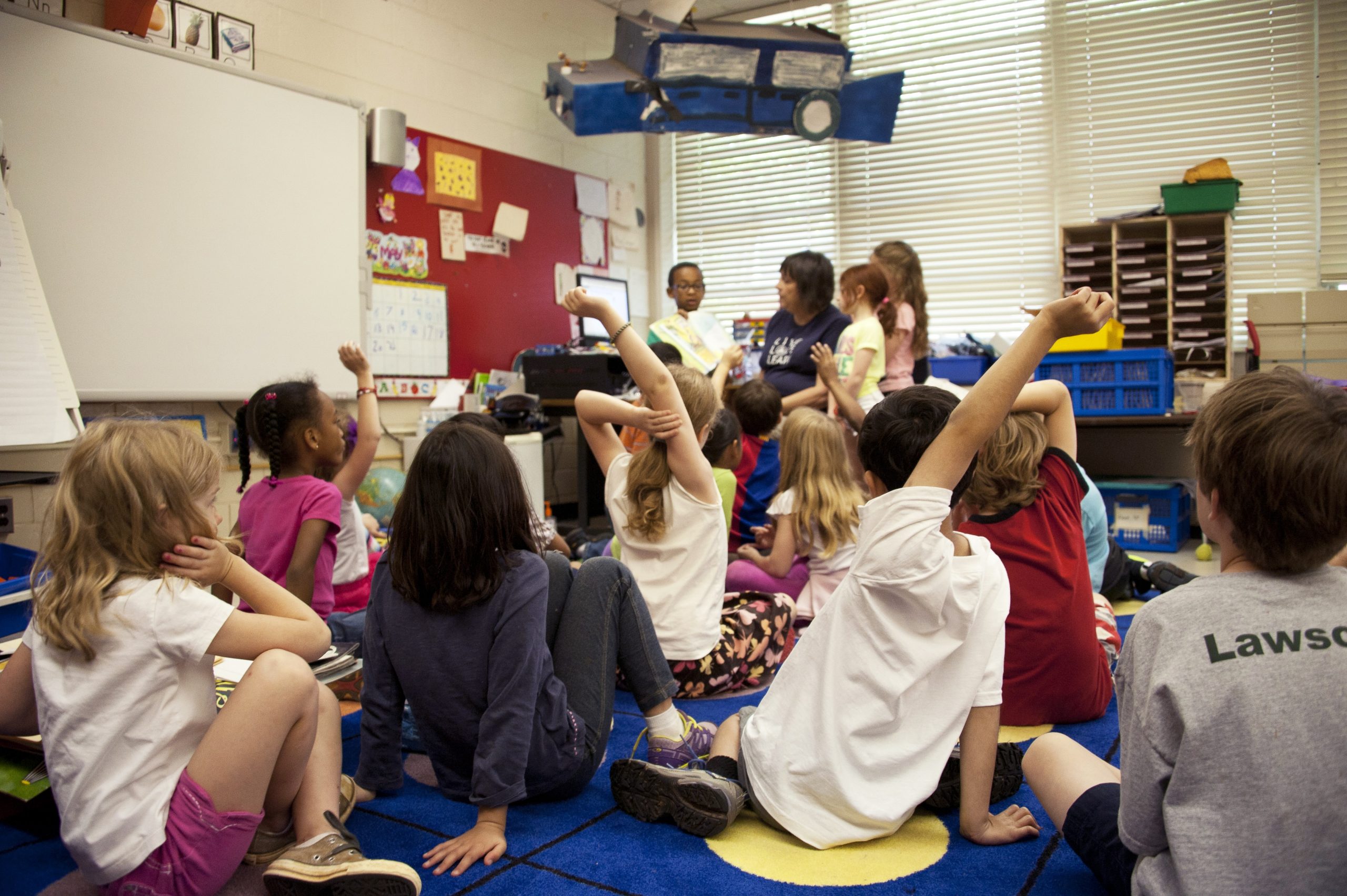
Students who fall behind may benefit from more focused attention. Pulling aside small groups for targeted instruction or working one-on-one with a struggling student can provide the time and space they need to grasp challenging concepts. This individualized attention often makes the difference in reaching students who might otherwise fall behind.
Idea: Be strategic about how you group students. Peer mentoring and cooperative learning can encourage those who are struggling to engage more deeply, with the support of classmates who excel in certain areas.
5. Collaboration with Support Staff
Teachers cannot do it all alone. Collaborating with special education teachers, counselors, and other support staff can provide invaluable insights and resources. They can help craft intervention strategies and offer support services tailored to each student’s needs.
Idea: Regular meetings between teachers, counselors, and other professionals can ensure that no student’s needs are overlooked and that strategies remain consistent across classrooms and services. After meeting with other staff, many times I was able to discover strategies that had already been tried and whether they were successful. I was also able to review whether the student had been referred for testing in the past, which could also be found in their permanent file.
6. Family and Community Engagement
Engaging families is a critical piece of the puzzle. Students who fall through the cracks often face challenges at home, such as socioeconomic hardships, language barriers, or family instability. By building strong partnerships with families, schools can better understand a student’s external environment and collaborate on solutions.
Idea: Create open lines of communication with parents and guardians. Regular updates, positive feedback, and outreach in a language that families understand can help foster trust and cooperation. Many parents had poor experiences in school themselves. It can be very triggering for them to receive a call from the school. If you only hear when your child has done something wrong, are you going to continue to pick up the phone?
7. Culturally Responsive Teaching
Many students from diverse backgrounds may feel alienated in school settings that do not reflect their experiences. Culturally responsive teaching recognizes and incorporates students’ cultural backgrounds, helping them feel seen and valued in the classroom. This approach not only boosts engagement but can also improve academic outcomes.
Idea: Include diverse perspectives in your curriculum. Create space for students to share their own stories and experiences, ensuring they see themselves reflected in the lessons you teach.
8. Building Resilience
At its core, education is about more than just academics; it is about equipping students with the skills to navigate life’s challenges. For students who struggle, building resilience is key. Teaching them how to problem-solve, cope with setbacks, and take ownership of their learning can empower them to persevere when things get tough.
Idea: Incorporate growth mindset practices into your classroom. Help students see failures as learning opportunities and foster a culture where effort is celebrated. Let kids know that we all make mistakes every day. I would share a recent mistake that I had made and how I worked through it. Believe me, it was easy to find my mistakes.
No student should be left to fall through the cracks. By taking proactive steps to identify struggling students and provide tailored support, we can create more inclusive and equitable learning environments. Through early intervention, personalized learning, SEL, and a commitment to meeting students where they are, educators can ensure that all students — especially those who face the greatest challenges — have the opportunity to thrive.
Every student matters, and with the right approach, we can ensure none are left behind.
Aaron Jones, Ed.D., is a trainer and field support representative for the Network for Educator Effectiveness. He joined NEE in 2024 after spending more than 30 years in K-12 education as a teacher, principal, and assistant superintendent.
The Network for Educator Effectiveness (NEE) is a simple yet powerful comprehensive system for educator evaluation that helps educators grow, students learn, and schools improve. Developed by preK-12 practitioners and experts at the University of Missouri, NEE brings together classroom observation, student feedback, teacher curriculum planning, and professional development as measures of effectiveness in a secure online portal designed to promote educator growth and development.