From Data to Action: How District Leaders Can Use NEE to Drive Growth
For district leaders, one of the greatest challenges in educator evaluation is moving beyond collecting information to actually using that information to improve teaching and learning.
The Network for Educator Effectiveness (NEE) provides districts with a framework for doing just that. When NEE data is connected to district priorities, classroom practice, professional development, and ongoing conversations with building leaders, it can become much more than an evaluation system. It can become a tool for purposeful, data-informed school improvement.
This blog provides an overview of how to use NEE tools to achieve a cohesive system that connects to district goals and school improvement.
Create Alignment Between the CSIP and NEE
Effective use of NEE begins with alignment.
The district’s Comprehensive School Improvement Plan (CSIP) establishes overarching goals and strategic priorities for student achievement. Those priorities can then inform the district’s NEE focus indicators, which define the specific areas educators and leaders will monitor and develop.
From there, multiple sources of information provide evidence of what is happening in practice:
- Classroom observations provide direct evidence from classrooms.
- Student surveys provide student voice connected to NEE indicators.
- Units of Instruction (UOIs) provide evidence of instructional planning aligned with focus indicators.
- Professional Development Plans (PD plans) connect individual teacher learning to evaluation data and district growth goals.
When these components are intentionally connected to the CSIP, district strategy does not remain something discussed at the district level. It moves into classrooms and becomes part of teachers’ daily practice.
Use NEE Reports to Understand Data
NEE provides several reports that help district leaders monitor their evaluation data:
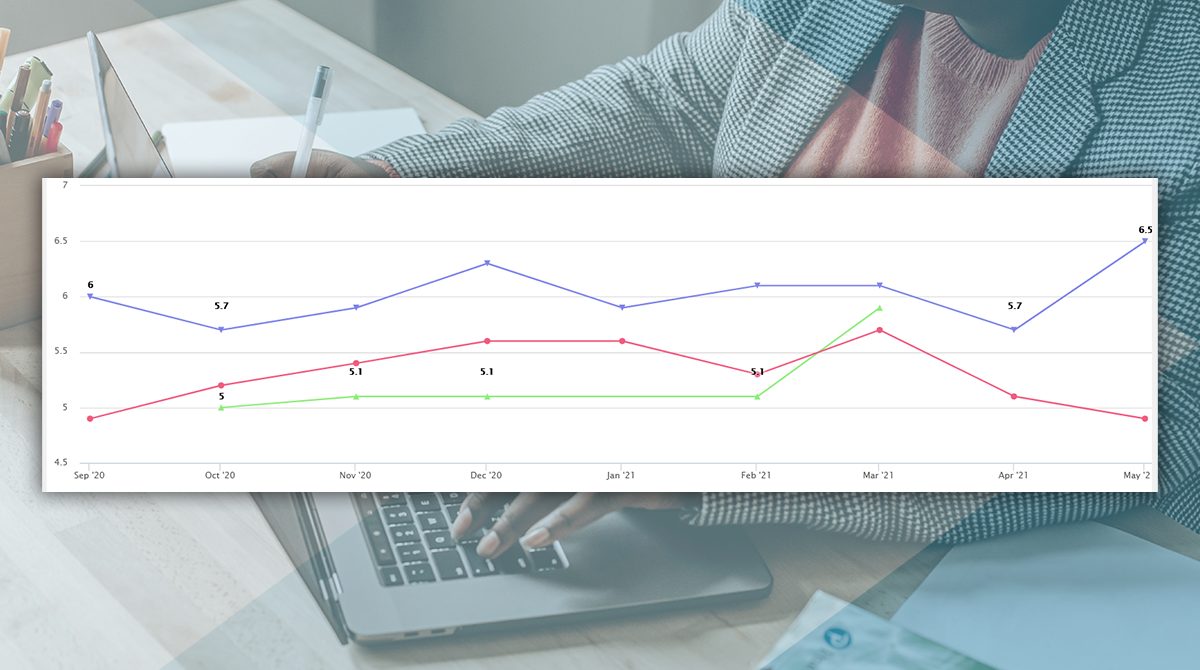
- Indicator Trend Report: This report includes monthly averages for each indicator measured in observations across the district. Data is displayed visually across a line graph. School leaders can drill down to look at data by building, grade level, and other groupings. These features allow district leaders to ask more meaningful questions of their data. The goal is to move from individual data points to patterns that can inform district-level decisions. Review monthly or quarterly
- District Activity Report: This report provides a way to monitor evaluator activity across the district to ensure evaluators are meeting observation and documentation expectations. It shows the number of observations, unit of instruction scorings, and teacher PD plan scorings completed by each evaluator. Review quarterly
- Building Activity Report: This report shows the number of observations, UOI scorings, and PD plan scorings for each teacher. For district leaders, this creates another opportunity to support principals with implementation while maintaining visibility into what is happening at the building level. Review quarterly or as needed
- Observation Score Distribution Report: This report provides a bar graph representation showing the frequency of scores given by each evaluator. It helps district leaders identify trends and potential calibration needs across the evaluator team. Review monthly or quarterly
Provide Feedback and Professional Learning
Data and observations only become useful when they lead to meaningful feedback, professional development, and improvement.
Feedback
NEE trains principals on effective feedback practices, using the Guide to Effective Feedback and the Four Paths to Effective Feedback. NEE also highlights two types of effective written feedback: instructive feedback, meant for teachers who need coaching for improvement, and affirmative feedback, meant to highlight teaching that leads to positive student outcomes.
Feedback is meant to acknowledge the impact of teaching on student outcomes, meet teachers where they are, and provide support for professional growth.
Professional Learning
Feedback leads to professional learning based on teachers’ unique needs. NEE provides several built-in tools to support teachers’ professional growth:
- The EdHub Professional Learning library includes more than 500 learning activities aligned to the NEE standards and indicators.
- The NEE POWERHub peer observation tool provides a way for teachers to observe and learn from one another, allowing opportunities for growth in a non-evaluative environment.
- NEE’s Learning Organizer helps teachers document their professional learning activities. Learning organizers make learning visible for both teachers and administrators.
Build Evaluator Consistency
For NEE data to be useful, evaluators need a shared understanding of the indicators they are measuring. Calibrated evaluators lead to consistent, fair, and actionable feedback.
NEE provides several resources to support evaluator calibration:
- Indicator Scoring Practice Videos: Available through EdHub, these videos allow evaluators to practice applying NEE indicator evidence and scoring in a low-stakes setting.
- Indicator Video Exemplars: Also available in EdHub, these classroom video examples can be used for team calibration discussions and professional learning.
- Custom Videos: Districts that need something specifically tailored to their context can contact NEE to access additional custom video resources designed around their calibration needs.
- Walk-Through Calibration: Evaluator teams can conduct joint observations in classrooms and then debrief together. These joint observations provide an opportunity to compare what evaluators saw, discuss the evidence, and work toward greater inter-rater consistency.
Ask Principals Questions That Lead to Reflection
District leaders do not have to interpret all of the NEE data themselves. One of the most powerful things they can do is use the data to ask better questions of building leaders.
Consider asking principals:
- What are you learning from your classroom observations, student surveys, UOIs, and PD plans?
- What are the NEE reports telling you?
- How are you using feedback to build teacher capacity?
- What trends are you noticing in instructional practices?
- What are you doing differently because of what you are seeing?
- How is this shaping growth?
These questions shift the conversation away from compliance and toward reflection, instructional leadership, and professional growth.
The Bigger Picture: Build a System, Not Just a Collection of Reports
The most important takeaway for district leaders is that NEE data should not live in isolation.
A district can have a vast amount of evaluation data from observations, student surveys, UOI scorings, and PD plan scorings. However, the real value comes from connecting those pieces to the district’s broader goals and providing feedback and professional learning opportunities to support improvement.
A coherent teacher evaluation system follows a cycle:
- The district’s CSIP guides selection of the NEE focus indicators
- School leaders collect evidence from observations, student surveys, UOI scorings, and/or PD plans
- School leaders provide feedback, professional development, and coaching for teachers
- School leaders review data on a regular basis and identify trends
- School leaders provide support and collect additional evidence
- School leaders reflect, adjust, and determine steps for growth
This cycle helps district leaders move from simply collecting data to using evidence to make decisions.
That is the difference between using NEE as an evaluation tool and using NEE as a district-wide system for continuous improvement.
When district strategy, evaluation evidence, feedback, professional learning, and ongoing measurement are connected, NEE can help create a clear pathway from district priorities to teacher practice and ultimately improved outcomes for students.
This blog was written with the support of AI, and the information is based on a NEE webinar held September 22, 2026, for NEE district leaders.
Aaron Jones, Ed.D., is a trainer and field support representative for the Network for Educator Effectiveness. He joined NEE in 2024 after spending more than 30 years in K-12 education as a teacher, principal, and assistant superintendent.
The Network for Educator Effectiveness (NEE) is a simple yet powerful comprehensive system for educator evaluation that helps educators grow, students learn, and schools improve. Developed by preK-12 practitioners and experts at the University of Missouri, NEE brings together classroom observation, student feedback, teacher curriculum planning, and professional development as measures of effectiveness in a secure online portal designed to promote educator growth and development.

